
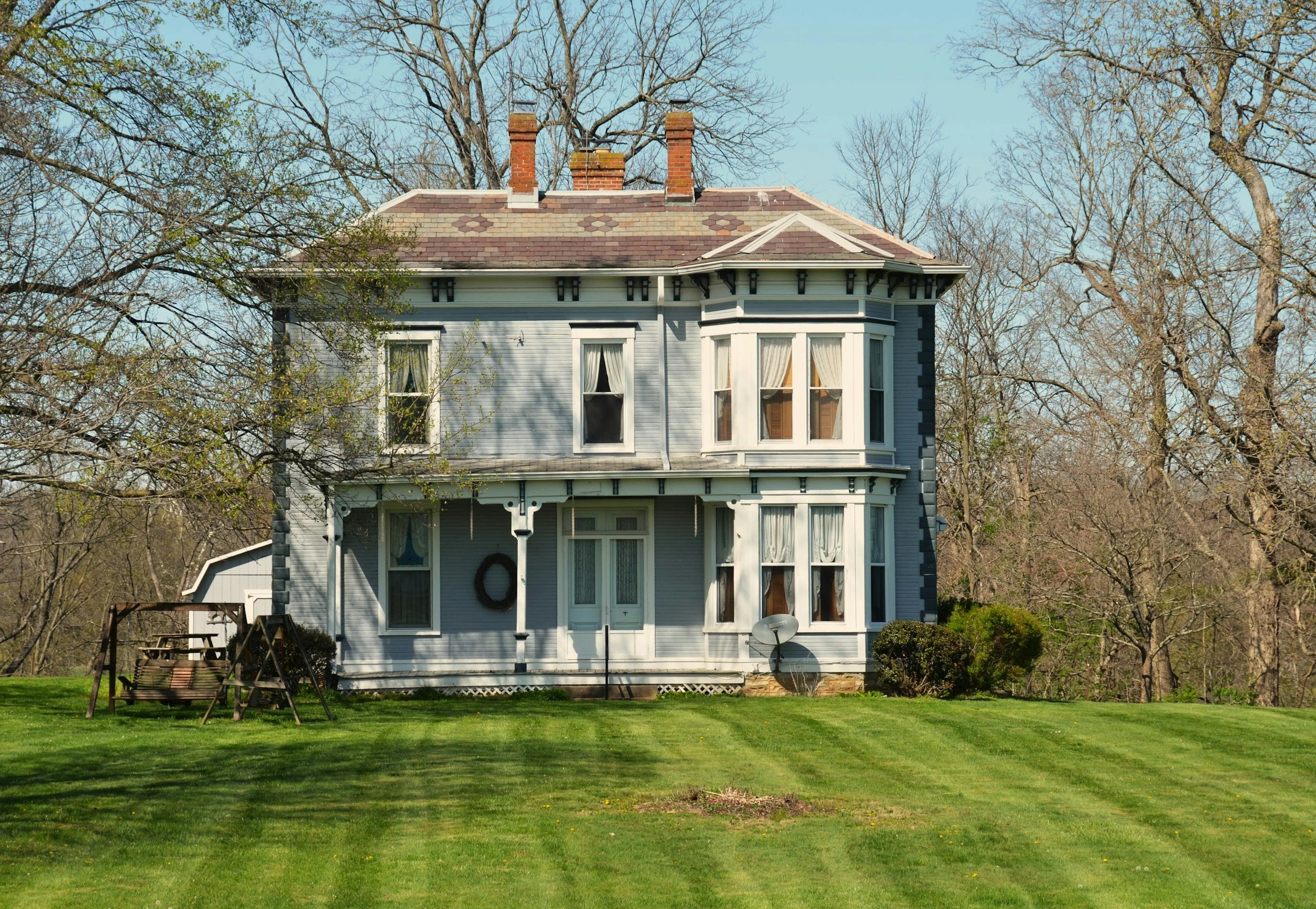
There is something about an old house that is charming. Perhaps it’s the original woodwork, the tall ceilings, and the wavy glass in the windows. Perhaps it’s the thought of sitting on a porch with a cup of tea, surrounded by a garden that has been growing for a hundred years. Maybe you love the history. Maybe you love the idea of owning something that was built to last.
We can easily imagine the dinner parties, the bookshelves, the rose garden, and the beautifully restored floors. What we don't always imagine is the cost of replacing those floors, the plumbing behind the bathroom wall , or the discovery that a previous owner has covered up a structural problem with drywall.
I've owned several old houses, including a modernized century home with sleek glass stairs, an off-grid rural property, and a poorly renovated in the 1980s fixer-upper. I just purchased a designated heritage home. Each has its own benefits and drawbacks.
Here are five types of heritage homes — and the kind of owner each one suits. If you scroll to the end, you can take the free quiz to determine your heritage home personality type.
The Historic Home: You're a Custodian, Not Just an Owner
Some historic homes are so extraordinary that stepping inside feels like visiting a museum. Think gilded ceilings, elaborate plasterwork, stained glass, ornate staircases and craftsmanship that would be extraordinarily expensive to reproduce today.
In a house like this, the interior can be just as important as the exterior. You aren't simply maintaining a building; you're looking after a piece of history.
That can be a wonderful privilege. It can also be a significant financial commitment.
Specialist tradespeople, appropriate materials and painstaking restoration work all cost money. Even routine maintenance can become a substantial undertaking when the house contains features that cannot easily be replaced.
There is also a particular mindset that comes with owning a property of this significance. You may legally own the house, but you can feel more like its temporary custodian. Your job is to care for it, preserve what makes it special, and pass it along to the next generation in good condition.
The reality check: Before buying, understand the property's historical significance, maintenance needs and any applicable heritage restrictions. Get advice from people who know how to care for historic buildings, and budget accordingly.
This is the house for someone who sees preservation as part of the pleasure of ownership — and who has the resources to support that commitment.
The Listed House: Charm, History, and Really Expensive Windows
A designated or listed heritage home offers plenty of charm, but it can come with a rulebook at least when it comes to the exterior. These homes are often less expensive than a home that can be torn down but make no mistake, a heritage home is a luxury.
Depending on the designation and local regulations, you will likely need approval before making certain changes to the exterior. That seemingly straightforward plan to replace an old wooden window with a low-maintenance, less expensive vinyl one may not be an option. You might need a specialist to repair the original window or reproduce it using appropriate materials. Stained glass, traditional masonry and other historic features can require equally specialized attention. That charming gingerbread trim comes at a cost!
A designated home requires patience, planning and a willingness to understand the rules before starting a project. You need to know what is protected, which approvals apply and how long the process might take.
The reality check: Don't assume every old house has the same restrictions. Find out exactly what the designation protects, what approvals are required and whether proposed changes are permitted before you buy.
This is the house for someone who appreciates original craftsmanship and is prepared to work within the rules to protect it. That’s me in this season of my life.
The Modernized Heritage Home: Old Bones, New Conveniences
Not everyone wants to spend their weekends restoring windows or searching for someone who can repair original plasterwork. Some of us would simply like a functioning kitchen, good lighting and a basement that doesn't resemble a damp cellar.
Enter the modernized heritage home which can be traditional in design or very modern, fitted with sleek glass staircases and a fully finished modern basement with high ceilings. They have modern heating, electrical and plumbing systems, and are often reconfigured to accommodate open-plan living.
From a practical perspective, this can be an appealing combination: the exterior character of an older home with the convenience of a modern one. The trade-off is that modernization can remove some of the very things that made the house special like original trim.
The reality check: Look beyond the finishes. Find out what was renovated, whether permits were obtained where required, and whether the underlying structure and systems are in good condition. Arrange or ask to see an inspection.
This is the house for someone who wants character on the outside with easy daily living.
The City Renovation: What's Hiding Behind That Wall?
The city fixer-upper is a different proposition entirely. This home is attractive because you can see what it could become. The location is good, the proportions are appealing, and underneath the dated kitchen and questionable additions, there might be something wonderful. We all love the home renovation shows when they peel back bad carpet to reveal gorgeous hardwood floors!
The trouble is that city houses often have layers of renovations. Some were done well. Others reflect the building standards, materials (some of which can be hazardous) and DIY enthusiasm of a different era.
Opening up an old house can reveal surprises you would never have anticipated. Horsehair insulation, severed joists and other discoveries can turn a straightforward renovation into a much larger and more expensive project.
The advantage of a city property is that it generally has access to municipal services such as water and sewer connections, but that doesn't mean the house is simple. Old wiring, outdated plumbing, structural alterations and unpermitted work can all require investigation and professional attention.
The reality check: A home inspection is important, but it isn't a guarantee that every hidden problem will be found. Investigate the roof, foundation, electrical system, plumbing and any previous renovations. Budget for contingencies, because the initial project rarely tells the whole story.
This is the house for someone who can tolerate uncertainty and understands that potential is not the same thing as a bargain.
The Country Project: The Romance of Rural Independence
Perhaps your dream is an old farmhouse surrounded by fields, a cottage overlooking the water, or a little oceanside bolthole where you can escape the city. You imagine quiet mornings, long walks, a vegetable garden and the pleasure of being somewhere that feels entirely your own.
And then you discover the practicalities of rural living! Depending on the property, you may be responsible for a well, water treatment, a septic system, a private road, a generator or other infrastructure that a city homeowner rarely thinks about. If something stops working, help may not be around the corner. After a big storm, you can be stranded for days.
Rural homes can also require more maintenance simply because of their age, location, outbuildings and exposure to the elements. A charming old barn may be a wonderful feature, but it can also be another structure to maintain.
The reality check: Before buying, investigate the water supply, septic system, heating, electricity, access, outbuildings and ongoing maintenance requirements. Find out if there are specialists in your area who can handle the issues you might face. Get appropriate inspections and understand the costs of keeping the property functional throughout the year.
This is the house for someone who values the peace and quiet enough to accept the work that comes with it.
Which Old House Is Right for You?
There is no universally perfect old house. There is only the house that best suits you.
Want to find out which type of old-house owner you are? Take my Old-House Personality Quiz and discover whether you're a custodian of history, someone who will follow the rules in exchange for charm, a lover of modern comforts, an urban renovation detective or a country romantic.
You might discover your dream home. Or you might discover that you prefer reading about other people's renovations!
Xx