8 Key Things to Look for When Buying a Heritage Home.
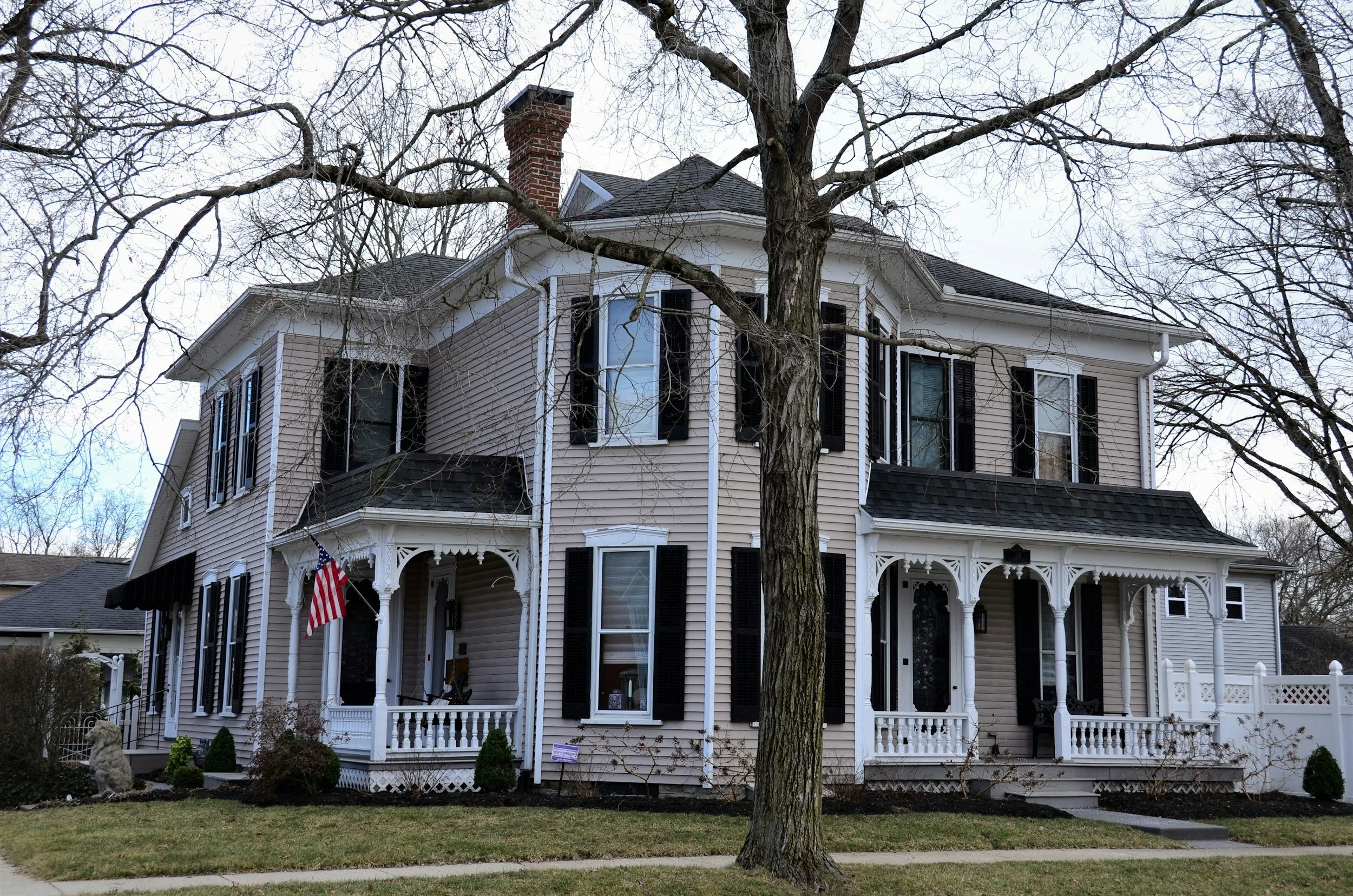
We’ve all fallen in love with that gorgeous home with gingerbread trim and a porch that invites us to wave to neighbours over a cup of coffee. There is truth to that old saying, “they don’t build them like they used to” and these well-crafted homes that have lasted a century or more have a lot of appeal. Heritage homes can be a place to set down roots and create a family home to pass down to future generations. They can also be money pits that causes angst and stress! I’ve owned four century homes and have learned a lot along the way (horsehair insulation! cracked chimneys!). Here are eight key things to look for if you are buying your first heritage home and want it to be a blessing instead of a burden.
Heritage and Legal Restrictions
Of the four century homes I’ve lived in, only one was a designated heritage house. Old houses all have their quirks but if you have a designated heritage home, you have to adhere to heritage restrictions, in addition to the local building code, any time you make changes. In many places, you can change the inside of the house (although why would you want to remove beautiful beams and wood floors?) but the outside must remain the same. Some municipalities are very picky and have you replace like for like, which if you have stained glass set wood windows or elaborate stonework, can become expensive! Most repairs will require custom work so don’t assume you can just run to Home Depot to grab a replacement for a door or porch post. If you plan to sell, your pool of buyers is reduced since the cost and limitations scare aware some people. In my town, a lot with a gorgeous century home sells for hundreds of thousands of dollars less than for the same sized building lot on the same street because developers want to tear things down and build multi-million dollar custom homes. I’m a romantic at heart and think a heritage home is worth every penny and every risk, but it’s good to go into purchasing one with your eyes wide open.
Structural Integrity
You know that old saying about building your house on rock, no sand? It’s true. You want to make sure your century home has a firm foundation. A pre-inspection by someone who has familiarity with heritage homes is a must, especially if it is being bought as a fixer upper. There might be a reason that charming old farmhouse is such a bargain! The last thing you want to do is pour money into a place that is not structurally sound.
Electrical Issues
Two words most century home owners dread are knob and tube. This kind of wiring (copper wrapped in rubber and cotton) was popular in the 1900s through the 1940s, so it’s in a lot of century homes. If you are buying a fixer upper, or a house renovated by DIYers, you can assume it’s still there. Knob and tube wiring is a fire hazard and some insurers will not insure you so it’s important to have a licensed electrician make sure it’s all been disconnected and updated with modern wiring. Older homes also don’t always have the wiring required to run our modern lives so you want to make sure there is an upgraded electrical panel with 200 amp service so you can run all of your appliances. If not, that’s a cost you will need to take on.
Plumbing and pipes.
Old plumbing can be a challenge and you might be dealing with lead pipes or clay pipes cracked by tree roots. Before making a major purchase, it can be useful to have a licensed plumber run a scope through the pipes to see what’s going on. Some pipes are wrapped with asbestos in older homes and, while that’s not a reason for panic, you will need to get in a specialist to help with the removal. Some homes also have sump pumps and sewage ejectors. Some lack proper shut off and back flow valves. The costs can add up so you want to know what you are facing before putting in your offer.
Roof and attic.
Have a licensed inspector check the condition of the roof and check the attic for mold and ensure there is proper ventilation. You will likely need more insulation blown in since insulation compacts and becomes less effective over time. There is a risk that some of the older insulation contains vermiculite, which requires special handling. This is not a job for the DIYer! If there is a wood burning fireplace, a chimney specialist should make sure the chimney is clean and the lining is not cracked. The first century home I bought had a beautiful fire roaring during the open house, so I assumed the chimney was safe. As it turned out, the lining was so damaged, the house could have burned down. It was a costly lesson that could have been even costlier!
Exterior.
Most century homes were well built, which is why they are still standing. Maintenance is key. Check wood homes for wood rot and look at the mortar between stones or bricks. I’ve paid for tuckpointing (putting in more mortar) on an old brick home and it was not cheap! Some homes can have asbestos siding shingles, which require special care if you are touching them. The costs can add up so build that into the price of the home.
HVAC.
New homes tend to have forced air heating and cooling. With heritage homes, you can find radiators or boilers or electric baseboard heaters. There are millions of homes that are still heated with oil and if you convert to natural gas, you might be dealing with an oil tank removal which can be costly. Don’t let it scare you off, but be aware of the costs you might have to incur.
Interior.
Plaster and lathe walls are superior to drywall in many ways (they are gorgeous and well built) but they are expensive to fix. I tried hanging up a wall calendar in the kitchen of my first century home and took out a chuck of wall that needed to be fixed by a specialist. Old homes used lead paint and asbestos so have things checked if you have young kids or are planning a renovation. Always have an expert check for asbestos before you attempt to smooth a stippled ceiling. If the home has the original wood floors, congratulations! Some homes have layers and layers of floors and if you want to take them down to the original wood, make sure an expert checks for asbestos in old vinyl. Generally speaking, you want to find a heritage home which has not been touched, or has been renovated properly (my third home had been gutted to the studs, underpinned and completely modernized by a contractor and signed off on by city inspectors, so it was like buying a new home with a heritage facade). If there has been a lot of DIY work over the years, make sure an expert verifies that everything is safe before you pick up a sledgehammer!

All of the above can sound scary but buying any house has risks and surprise expenses. I know people who bought in brand new subdivisions dealing with cracked foundations and bowed walls. Century homes have their quirks but you can be prepared and mitigate surprised. I think they more than make up for the hassle in their beauty and charm.
If you’ve always dreamt of moving into a gorgeous farm house or Victorian semi or stone cottage, you should! Just make sure a home inspection has been done, have a contingency fund for surprises, and if you plan to renovate don’t assume you can do it all yourself. (Home Improvement shows can be very misleading when it comes to century homes!) There will always be surprises so do not buy at the very top of your budget, but that’s true of any home.
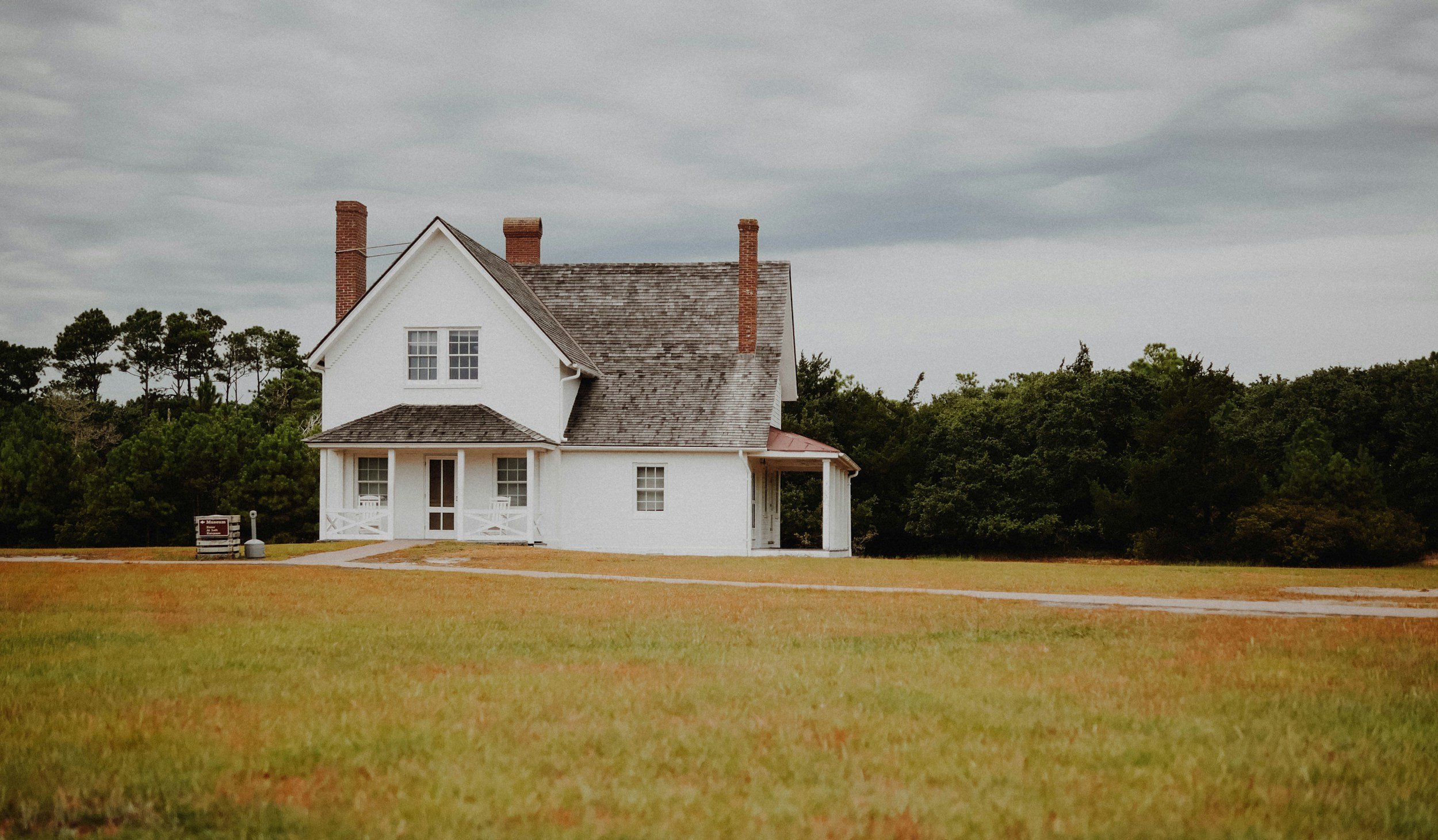
When you buy a heritage house, you become more than just a home-owner. You become a historian and a steward. I consider it a privilege to maintain and enjoy such a beautiful space and there is a community of heritage home owners who feel the same way. If this resonates, subscribe to my Substack and follow along with my empty-nester, heritage home journey!
*The information shared on this blog is intended for general informational and educational purposes only. Our aim is to inspire, educate and encourage the thoughtful care, preservation and restoration of heritage homes. While we strive to provide helpful and accurate information, nothing published on this blog should be considered legal, architectural, engineering, building, financial or other professional advice.